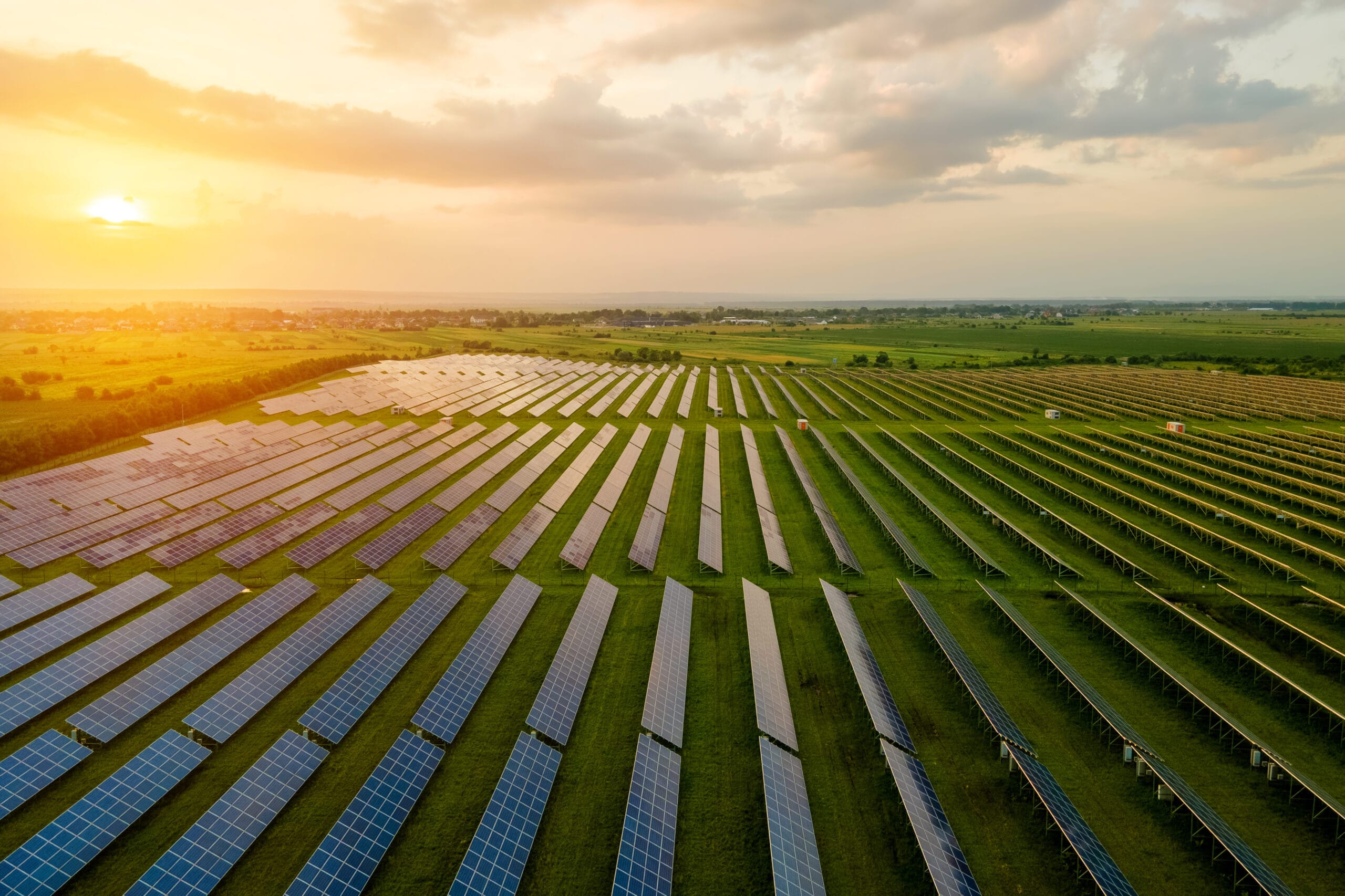
As the demand for renewable energy sources continues to rise, solar power has emerged as a pivotal player in the quest for sustainable solutions to our energy needs. One of the most effective ways to harness this abundant resource is through leasing land for solar projects. This practice not only promotes environmental stewardship but also provides landowners with a steady stream of income while contributing to the reduction of carbon emissions. In this article, we will explore the various benefits, considerations, and processes involved in leasing land for solar energy development, shedding light on how this innovative approach can transform both landscapes and livelihoods.
The transition to solar energy is not just an environmental imperative; it can also be a lucrative opportunity for landowners. With advancements in technology and a growing market demand, the value of land leased for solar development has surged, offering financial incentives and long-term contracts. This article aims to guide potential lessors through the essential steps and considerations in the leasing process, including understanding the legal agreements, assessing land suitability, and engaging with solar developers. By navigating this landscape effectively, landowners can play a crucial role in fostering a greener future while reaping economic benefits.
Benefits of Leasing Land for Solar Projects
Leasing land for solar energy development provides significant financial benefits for landowners. Not only do they receive a steady income stream from lease payments, but they also enhance the value of their property long-term. With the increasing demand for renewable energy solutions, solar projects attract favorable incentives and support from both government and private sectors. This can result in landowners securing advantageous contracts that last for several years, allowing them to develop stable financial plans while actively participating in a sustainable initiative. Additionally, these projects can help improve land management practices, leading to enhanced biodiversity and environmental benefits.
Engaging with Solar Developers
To maximize the advantages of leasing land for solar energy, landowners should engage in due diligence when selecting a solar developer. This involves assessing the developer’s track record, understanding their financial stability, and discussing the project’s alignment with the landowner’s long-term goals. Clearly articulating expectations and concerns during negotiations is crucial to establish a strong partnership. Resources such as Kevin Francis Design can aid in understanding the leasing landscape and provide insights on best practices for entering such agreements. By approaching the process thoughtfully, landowners can ensure that they contribute to renewable energy while capitalizing on a financially rewarding opportunity.
In conclusion, leasing land for solar projects offers a unique opportunity for landowners to embrace sustainability while securing a stable financial future. As the renewable energy sector grows, aligning with a reputable solar developer can yield long-term benefits that extend beyond income generation. By fostering meaningful partnerships and engaging in thorough research, landowners can not only enhance the ecological value of their properties but also participate actively in the transition to a cleaner, greener energy landscape. This partnership embodies a synergistic relationship between economic enterprise and environmental responsibility, ultimately paving the way for a sustainable future for generations to come.