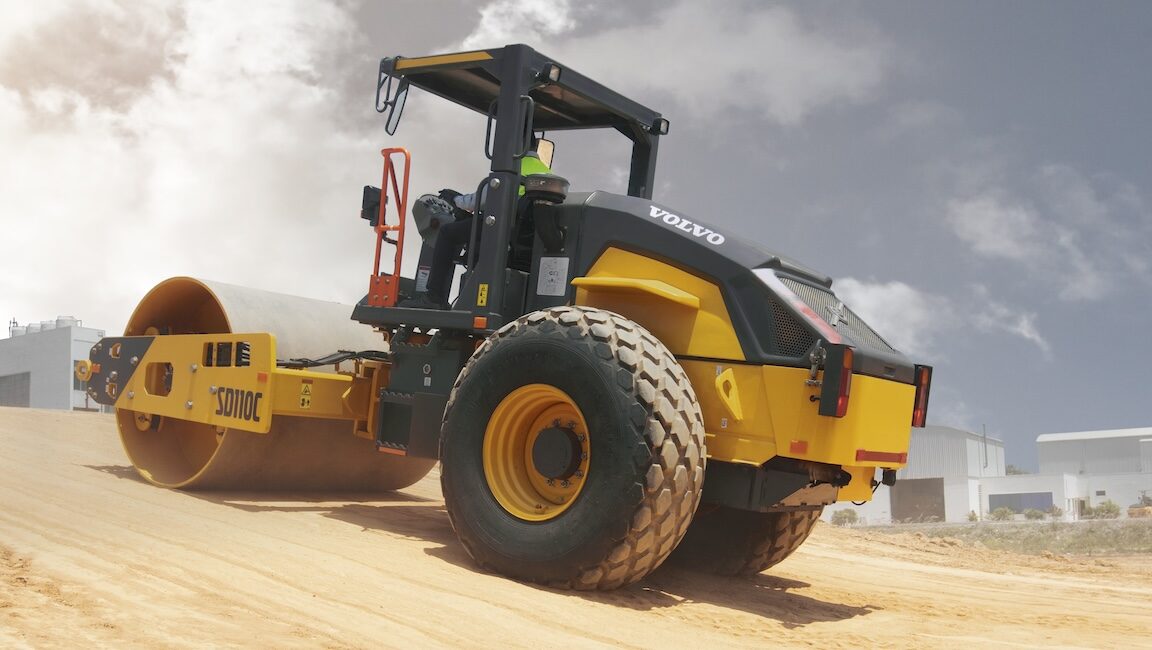
Compactors play a pivotal role in waste management and construction industries, providing effective solutions for compressing various materials into manageable sizes. By using mechanical force to reduce the volume of waste, these powerful machines significantly enhance the efficiency of waste disposal and recycling processes. Their diverse applications range from landfills to road construction, making them indispensable tools for any project involving heavy materials or waste management.

In this article, we delve into the different types of compactors, their operational mechanisms, and their key benefits. We’ll explore how advancements in technology are shaping the design and functionality of these machines, ultimately leading to greater sustainability and productivity in various sectors. Whether you’re a contractor, waste management professional, or simply curious about heavy machinery, understanding compactors is essential for optimizing operations and minimizing environmental impact.

Types of Compactors and Their Applications

Compactors can be categorized into several types based on their design and intended applications. For instance, plate compactors are commonly used for small-scale projects, such as paving or landscaping, where a uniform surface is essential. Meanwhile, the use of larger options, like vibratory rollers, is prevalent in road construction and heavy-duty applications where achieving minimum surface voids is critical. Each type is engineered to exert substantial force, which helps to consolidate materials efficiently, thereby ensuring stability and durability in constructions and filled areas.

Impact of Technology on Compactors

As technology continues to evolve, so do the functionalities of compactors, leading to enhanced performance and reduced environmental impact. Modern compactor models often feature advanced control systems, which allow operators to monitor compaction levels in real-time, ensuring optimal results while minimizing energy consumption. Innovations such as electric-powered compactors are paving the way for greener alternatives, significantly lowering emissions and noise levels on job sites. As the industry embraces these advancements, the role of compactors in sustainable construction and waste management becomes increasingly vital.

In conclusion, compactors are essential tools in various industries, driving efficiencies in waste management and construction through their ability to compress materials effectively. The diversity in compactor types caters to an array of applications, ensuring that projects, regardless of scale, can be managed with precision and skill. As technological innovations continue to reshape the capabilities of these machines, the integration of smart features and environmentally-friendly designs not only enhances operational performance but also aligns with global sustainability goals. Understanding the evolving role of compactors is crucial for industry professionals aiming to improve operational outcomes while responsibly addressing the environmental challenges of modern construction and waste management.


RELATED ARTICLES

How-To Guide: Master Your Compactor Skills

Compactors play a pivotal role in waste management and construction industries, providing effective solutions for compressing various materials into manageable sizes. By using mechanical force to reduce the volume of waste, these powerful machines significantly enhance the efficiency of waste disposal and recycling processes. Their diverse applications range from landfills to road construction, making them indispensable tools for any project involving heavy materials or waste management. In this article, we delve into the different types of compactors, their operational mechanisms, and their key benefits. We’ll explore how advancements in technology are shaping the design and functionality of these machines, ultimately leading to greater sustainability and productivity in various sectors. Whether you’re a contractor, waste management professional, or simply curious about heavy machinery, understanding compactors is essential for optimizing operations and minimizing environmental impact. Types of Compactors and Their Applications Compactors can be categorized into several types based on their design and intended applications. For instance, plate compactors are commonly used for small-scale projects, such as paving or landscaping, where a uniform surface is essential. Meanwhile, the use of larger options, like vibratory rollers, is prevalent in road construction and heavy-duty applications where achieving minimum surface voids is critical. Each type is engineered to exert substantial force, which helps to consolidate materials efficiently, thereby ensuring stability and durability in constructions and filled areas. Impact of Technology on Compactors As technology continues to evolve, so do the functionalities of compactors, leading to enhanced performance and reduced environmental impact. Modern compactor models often feature advanced control systems, which allow operators to monitor compaction levels in real-time, ensuring optimal results while minimizing energy consumption. Innovations such as electric-powered compactors are paving the way for greener alternatives, significantly lowering emissions and noise levels on job sites. As the industry embraces these advancements, the role of compactors in sustainable construction and waste management becomes increasingly vital. In conclusion, compactors are essential tools in various industries, driving efficiencies in waste management and construction through their ability to compress materials effectively. The diversity in compactor types caters to an array of applications, ensuring that projects, regardless of scale, can be managed with precision and skill. As technological innovations continue to reshape the capabilities of these machines, the integration of smart features and environmentally-friendly designs not only enhances operational performance but also aligns with global sustainability goals. Understanding the evolving role of compactors is crucial for industry professionals aiming to improve operational outcomes while responsibly addressing the environmental challenges of modern construction and waste management. Catherine KerrView all posts by Catherine Kerr

Easy Guide To Red Light Therapy: Benefits & Tips

Red Light Therapy (RLT) has emerged as a promising non-invasive treatment, gaining popularity for its potential benefits across various health and wellness domains. Harnessing specific wavelengths of light, this therapeutic technique is designed to penetrate the skin, stimulating cellular repair and promoting healing. From skin rejuvenation to pain management, RLT is attracting attention for its versatility and effectiveness, making it a compelling addition to modern health practices. As more individuals seek natural alternatives to traditional therapies, Red Light Therapy presents an intriguing option with minimal side effects. With ongoing research and increasing anecdotal evidence supporting its efficacy, enthusiasts and practitioners alike are eager to explore the science behind this innovative approach. In this article, we will delve into the mechanisms of RLT, its applications, and what the latest studies reveal about its potential to enhance overall well-being. Mechanisms of Red Light Therapy The effectiveness of Red Light Therapy (RLT) is primarily attributed to its ability to stimulate the mitochondria, the powerhouse of cells. When exposed to specific wavelengths, typically in the red and near-infrared spectrum, the mitochondria increase the production of adenosine triphosphate (ATP). This heightened energy production facilitates faster cellular repair and regeneration, which can be beneficial not only for skin health but also for reducing inflammation and pain. Moreover, RLT is believed to enhance blood circulation and collagen production, making it an excellent natural remedy for common skin issues like wrinkles and scars. Applications and Benefits Beyond aesthetic improvements, RLT has garnered interest for its applications in athletic performance and recovery. Athletes are turning to this therapy to accelerate muscle recovery, reduce soreness, and improve overall physical performance. Research suggests that incorporating RLT into a fitness regimen can lead to enhanced results, which is why many are exploring options like Red Light Therapy For Performance. As ongoing investigations continue to unfold the full potential of RLT, its growing acceptance in both clinical and home settings highlights its versatility as a non-invasive treatment for a range of health and wellness challenges. In conclusion, Red Light Therapy stands at the forefront of innovative health solutions, merging ancient wellness practices with modern scientific understanding. Its ability to enhance cellular function has sparked interest in not only beauty and skin care but also muscular performance and recovery, appealing to both wellness enthusiasts and professional athletes. As evidence mounts regarding its safety and efficacy, RLT could redefine approaches to holistic health, offering a natural, effective alternative for those seeking to enhance their well-being. With continued research and exploration, the future of Red Light Therapy looks promising, paving the way for further integration into mainstream health practices and inspiring individuals worldwide to embrace this transformative technology for a healthier life. Catherine KerrView all posts by Catherine Kerr

5 Top Ways to Download Instagram Photos & Videos: A Quick Guide

Instagram is filled with photos and videos that users may want to save for personal reference or offline viewing. Tools such as SnapInsta can be used to explore options for saving publicly available Instagram content. However, always make sure you have permission to download and reuse someone else’s content, especially when it is copyrighted. 1. Use Instagram’s Built-In Save Feature Instagram provides a convenient way to bookmark posts without downloading them to your device. Tap the save icon on a post to add it to your saved collection. This is useful when you simply want to find the content again later without creating a local copy. 2. Download Your Own Instagram Content If you want to keep copies of your own photos and videos, Instagram provides account-related tools that allow you to access your content and account information. This is one of the safest ways to create a personal backup of content you have posted. 3. Use a Web-Based Downloader Some online tools allow users to save publicly available Instagram media by entering a post URL. If you choose this method, use a reputable service, avoid entering Instagram login credentials, and download only content you are authorized to save. 4. Check the Media Quality Before saving a photo or video, consider the available resolution and file format. Higher-resolution files can provide better quality but may consume more storage space. Choose an appropriate quality level based on how you intend to use the file. 5. Respect Copyright and Privacy Downloading content does not automatically give you permission to repost or commercially use it. Always respect the creator’s copyright and privacy. If you plan to share downloaded content publicly, obtain appropriate permission and provide credit where required. Conclusion Saving Instagram photos and videos can be useful for personal organization and offline access. Whether you use Instagram’s own features or a third-party tool such as SnapInsta, prioritize account security, content permissions, and copyright rules. Following these simple practices can help make the process safer and more responsible. Catherine KerrView all posts by Catherine Kerr

8 Best South African MP3 Downloaders: Ultimate MP3 Downloader Guide – Easy & Fast Tips!

For music fans looking for convenient offline listening, Tubidy is one platform they may come across when exploring online music and media. However, before downloading any audio, users should confirm that the content is legally available for download and respect copyright restrictions. With that in mind, here are eight practical tips for choosing and using MP3 download tools. 1. Choose a Simple Interface A user-friendly interface makes downloading permitted audio much easier. Look for clear menus, straightforward search options, and easy-to-understand download controls. 2. Check the Audio Quality Audio quality can affect your overall listening experience. Before saving an MP3, check the available bitrate and select an option that provides a good balance between sound quality and file size. 3. Confirm MP3 Compatibility MP3 files work with many smartphones, computers, tablets, and portable music players. Still, checking your device’s supported formats before downloading can help avoid playback issues. 4. Use a Stable Internet Connection A reliable internet connection can help downloads complete without interruptions. Wi-Fi may be useful when downloading larger files, particularly when mobile data is limited. 5. Keep Your Music Organized Create separate folders for artists, albums, genres, or playlists. Good organization makes it easier to find songs and manage your offline collection. 6. Avoid Suspicious Downloads Be cautious with unfamiliar websites, pop-ups, and unexpected download prompts. Do not install unknown applications or browser extensions simply to obtain an audio file. 7. Consider Storage Space Music files can accumulate quickly, especially when downloading many tracks. Check your available storage regularly and remove duplicate or unwanted files to keep your device organized. 8. Respect Copyright Restrictions Not every online song is available for legal downloading. Whenever possible, choose public-domain tracks, royalty-free music, or audio that the copyright holder has explicitly made available for download. Following copyright rules helps support artists and content creators. Conclusion Finding convenient ways to listen to music offline does not have to be complicated. By choosing a simple tool, checking audio quality and compatibility, maintaining safe browsing habits, managing storage, and respecting copyright requirements, South African music listeners can enjoy a smoother MP3 experience. Catherine KerrView all posts by Catherine Kerr

Leave a Reply

Your email address will not be published. Required fields are marked *