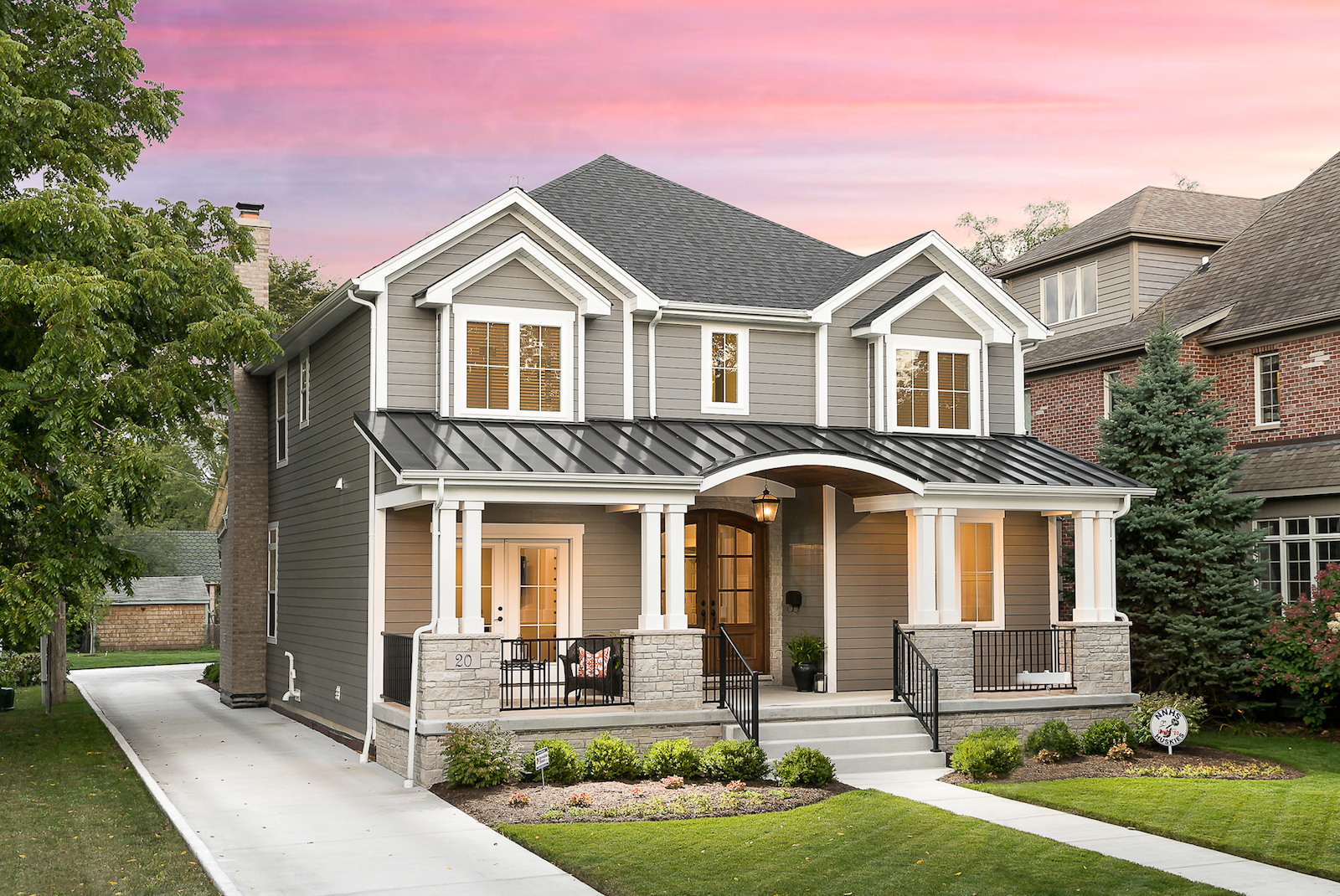
Railings are an essential component of both residential and commercial architecture, providing safety, support, and aesthetic value to a wide range of structures. From staircases and balconies to walkways and decks, railings serve as a crucial barrier that enhances safety while also allowing for creative expression through various designs and materials. With a plethora of styles available, from traditional wood to modern metal and glass options, railings can complement any architectural vision while fulfilling functional needs.
In addition to their decorative purposes, railings also play a vital role in compliance with building codes and safety regulations. As more people invest in outdoor spaces and multi-level homes, the demand for durable and attractive railing solutions continues to grow. This article will explore the different types of railings, their benefits, and important considerations when choosing the right option for your space, ensuring both beauty and safety are seamlessly combined in every project.
Types of Railings
When it comes to railings, there are several types to choose from, each offering unique advantages based on the intended use and aesthetic preferences. Wooden railings exude a classic charm and can be easily customized to match any design scheme, while metal railings provide strength and durability for outdoor spaces. Glass railings have grown in popularity for their ability to offer unobstructed views, making them ideal for patios and balconies. For more information on the various styles and their applications, you can visit www.ozshowerdoors.com/railings, which provides insights into modern railing solutions.
Considerations for Choosing Railings
Selecting the right railing involves several key considerations, including safety, maintenance, and aesthetics. It’s essential to choose materials that not only comply with local building codes but also suit the environmental conditions of your location. For example, while wood offers warmth and beauty, it may require more upkeep than metal or composite materials. Additionally, the design should harmonize with the overall architecture of the structure, ensuring a cohesive look that enhances both function and style. By carefully weighing these factors, you can enhance your space effectively while prioritizing safety and durability.
In conclusion, railings are not merely functional additions to a structure; they are integral design elements that can significantly impact the overall aesthetic and safety of a space. Whether opting for the warmth of wood, the resilience of metal, or the sleek transparency of glass, the choice of railing can elevate the appearance of both interiors and exteriors. Additionally, prioritizing safety, compliance with building codes, and ease of maintenance will ensure that the chosen railing solution not only enhances the visual appeal but also contributes to a secure environment. Ultimately, the right railing can harmonize beautifully with your architectural vision while providing the necessary support and protection for everyone who occupies or visits your space.