Classic cars are more than just automobiles; they are time machines that transport us to bygone eras. These rolling relics are living pieces of history, each with its own unique story to tell. Cruising down the road in a 77 Chrysler New Yorker evokes a sense of nostalgia for a bygone era of American automotive excellence. In this article, we delve into the fascinating world of classic car conservation, exploring why it’s not just an enthusiast’s hobby but a vital endeavor to safeguard our automotive heritage.

The Timeless Appeal of Classic Cars

Classic cars, often defined as those manufactured at least 20 years ago, possess an enduring charm that transcends generations. They represent an era when automotive design was an art form, not just a function. Their graceful curves, intricate detailing, and distinctive features make them stand out in a sea of modern vehicles.

Preserving Aesthetic Beauty

Classic cars are often celebrated for their aesthetics. Whether it’s the sleek lines of a 1950s Cadillac or the bold presence of a 1960s Mustang, these vehicles are rolling works of art. Conserving them ensures that future generations can appreciate the beauty of automotive history.

Cultural Significance

Classic cars are cultural icons, reflecting the values, trends, and aspirations of their time. They provide valuable insights into the societal norms and technological advancements of the past. Preserving them is akin to safeguarding our collective memory.

The Challenge of Time and Elements

Preserving classic cars is no easy task. Time, weather, and wear take their toll on these vintage machines. Without proper conservation, they can deteriorate rapidly, losing their historical value and significance.

Rust and Corrosion

One of the biggest threats to classic cars is rust. Many older vehicles were not treated with modern corrosion-resistant materials, making them susceptible to rust and decay. Conservation efforts involve meticulous rust removal and prevention.

Originality vs. Restoration

Conservation often sparks a debate between maintaining a car’s originality and restoring it to its former glory. Striking the right balance is crucial. Some enthusiasts prefer the patina of age, while others aim for a factory-fresh appearance.

Preserving Classic Car Values

Beyond their aesthetics and historical significance, classic cars hold considerable monetary value. Vintage automobiles can be valuable investments, and their worth tends to appreciate over time, making them an attractive asset for collectors.

Investment Potential

For some, classic cars are more than a hobby; they are a financial investment. Rare and well-preserved models can fetch substantial sums at auctions. Proper conservation is key to maximizing their potential value.

Ensuring Future Generations

Conservation efforts are also about passing on the torch. By maintaining classic cars in top condition, we ensure that future generations can enjoy and learn from these automotive treasures.

The Role of Enthusiasts and Experts

Preserving classic cars requires expertise and dedication. Enthusiastic clubs, restoration shops, and automotive historians play a vital role in this endeavor. They contribute to the preservation of not only individual vehicles but also the knowledge and skills needed to keep these cars on the road.

Enthusiast Communities

Classic car enthusiasts often form tight-knit communities where knowledge is shared, and resources are pooled. These communities provide support and guidance for those looking to conserve their own classic automobiles.

Restoration Specialists

Restoring a classic car to its former glory is a specialized skill. Restoration shops and experts are essential in meticulously bringing these vehicles back to life. They are custodians of history and craftsmanship. Before committing to a classic car purchase, consider the significance of preservation by opting for a thorough Pre Purchase Vehicle Inspection Brisbane, ensuring the timeless beauty and history of the automobile are maintained.

Conclusion

Preserving classic cars is not merely a hobby; it’s a mission to protect our automotive heritage. These vintage vehicles are more than just metal and rubber; they are storytellers, cultural artifacts, and investments. The effort put into their conservation ensures that they continue to inspire and educate future generations. As we celebrate classic cars, we must also celebrate the individuals and organizations dedicated to their preservation. From the meticulous restorers to the passionate enthusiasts, they are the guardians of history on four wheels, ensuring that the legacy of these timeless automobiles lives on.

RELATED ARTICLES

5 Easy Stops For First-Time Visitors To Manassas, 20110

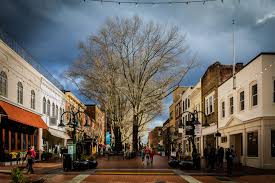
A first visit is usually better when you leave room to look around instead of racing between landmarks. Manassas, 20110 makes that possible with compact downtown blocks where books, art, food, and historic streets can fit into one relaxed outing. Five simple stops can give you a feel for the area without turning the day into a checklist. Sleepy Dragon Books Sleepy Dragon Books at 9101 Center Street gives readers an easy reason to step inside and browse. Historic Manassas lists it among downtown bookstores, placing it within walking distance of other central businesses. A bookstore works especially well for first-time visitors because there is no pressure to stay for a set period. You can look for a new read, browse unfamiliar titles, then continue exploring whenever you are ready. McCalls Studio Gallery McCalls Studio Gallery at 9409 Battle Street adds a creative stop to the route. Historic Manassas identifies it as an art gallery within the downtown shopping district. Give yourself enough time to actually look rather than rushing through. Art can reveal another side of a community, and comparing which pieces catch your attention makes the visit more engaging if you are exploring with someone else. Downtown Public Art Not every stop needs a doorway. Historic Downtown Manassas uses public art and decorative features throughout the district, giving you something to notice between businesses. A short pause to look more closely at artwork or architectural details can make the walk feel less like moving between destinations. The Lemonade Bakery The Lemonade Bakery at 9410 Main Street offers a simple food stop without requiring a full sit-down meal. Historic Manassas lists it as a bakery and gourmet-food business. A bakery break gives you a natural midpoint in the outing. You can grab something sweet, rest your feet, then decide how much more of Manassas, 20110 you want to explore. The Historic Streets  Leave one stop completely open for the streets themselves. Downtown Manassas is a national historic district with more than 200 contributing buildings, so the architecture deserves more than a passing glance. Walking slowly can reveal storefront details and building styles you might miss from a car. The Irving Law Firm9253 Mosby St., 2nd FloorManassas, VA 20110(703) 844-4118 When One Issue Begins To Shape The Divorce A first visit to Manassas becomes easier when you know what deserves your attention, and the same sense of focus can matter when a divorce starts revolving around one unresolved problem. That issue might involve enforcement of an existing order, incomplete financial disclosure, a disputed premarital agreement, post-divorce modification, or another matter that begins to influence the rest of the case. This is often when divorce attorneys can provide useful direction. They can help clients understand how the central dispute affects the larger divorce and what may need to happen before the case can move forward. Keeping attention on the issue with the greatest legal impact can prevent the case from becoming consumed by secondary disagreements and give the client a clearer path toward resolution. Catherine Kerr View all posts by Catherine Kerr

How To Master Food Manufacturing: A Step-By-Step Guide

Food manufacturing is a vital sector that combines the complexities of production, processing, and distribution to deliver safe and nutritious products to consumers. As a multi-billion dollar industry, it encompasses everything from the sourcing of raw ingredients to the final packaging of food items. With advancements in technology, stringent safety regulations, and a growing demand for sustainable practices, food manufacturers are continually adapting to meet the needs of modern consumers while ensuring quality and efficiency in their operations. In this article, we will explore the key processes involved in food manufacturing, the challenges facing the industry, and the innovative trends shaping its future. By examining the interplay of various elements such as automation, food safety protocols, and environmental considerations, we aim to provide a comprehensive overview of how food manufacturing not only feeds the global population but also reflects changing dietary preferences and societal values in an ever-evolving landscape. Key Processes in Food Manufacturing The food manufacturing process begins with the careful selection and sourcing of ingredients, which are then subjected to various processing methods, including cooking, mixing, and preserving. Technological advancements such as automation have streamlined these processes, allowing for higher efficiency and consistency in production. Moreover, quality control measures are integral at every stage, ensuring that food products meet safety standards and retain their nutritional value. Industry experts, including Jeffrey Naegle, emphasize the importance of integrating innovative techniques to enhance both productivity and product quality while minimizing waste. Challenges and Innovations Despite the many advancements, the food manufacturing industry faces significant challenges, including fluctuating raw material costs, evolving regulations, and increasing consumer expectations for transparency and sustainability. To combat these issues, manufacturers are exploring innovative solutions such as plant-based alternatives and environmentally friendly packaging. Additionally, adopting digital technologies like blockchain for traceability and IoT devices for monitoring equipment can significantly improve operational efficiency and safety. As the landscape evolves, embracing these trends will be crucial for food manufacturers striving to meet the demands of a more health-conscious and eco-aware consumer base. In conclusion, the food manufacturing industry stands at a critical crossroads, navigating the intricate balance between meeting consumer demands and addressing pressing challenges such as sustainability and food safety. As manufacturers harness the power of technology and innovation—ranging from automated production lines to sustainable sourcing practices—they are not only enhancing efficiency but also adapting to a more health-conscious market that values transparency and environmental responsibility. The future of food manufacturing is poised to be shaped by continuous improvements in processing techniques, a deeper commitment to sustainability, and an unwavering focus on delivering high-quality products. Ultimately, the industry’s ability to innovate and respond to changing societal values will determine its resilience and success in feeding a growing global population while fostering a healthier planet. Catherine Kerr View all posts by Catherine Kerr

Ultimate Guide To Process Engineer Jobs

The role of a process engineer is critical in various industries, as these professionals are tasked with designing, implementing, and optimizing production processes. With a focus on efficiency and sustainability, process engineers leverage their expertise to improve manufacturing systems, enhance product quality, and reduce costs. Their contributions help organizations stay competitive in rapidly evolving markets, making this profession increasingly sought after in sectors such as chemical manufacturing, pharmaceuticals, and food production.

Why Consult A Family Lawyer Before Signing A Family Agreement

A family agreement can affect legal rights long after the discussion that produced it has ended. In Virginia, spouses may enter agreements that settle rights or obligations between them, and qualifying agreements can later become part of a court decree. Before signing, it is worth understanding what the document actually requires rather than relying only on how its terms were described during negotiation. Consulting a family lawyer gives you an opportunity to examine the legal effect of the agreement while changes are still possible. The purpose is not to reopen every issue. It is to identify whether the written language matches what you believe you have agreed to. Written Terms Can Carry Lasting Consequences A provision may look straightforward but still affect your rights in ways that are easy to overlook. Virginia law allows married people to enter marital agreements concerning their legal rights and obligations. Such agreements generally take effect when executed, subject to the legal requirements that apply to them. That makes the wording more than a record of an informal understanding. A lawyer can explain what a particular provision means before you accept it. If the document addresses property, for example, the agreement may influence how an asset is treated instead of leaving the issue for a court to decide under Virginia’s equitable distribution rules. Virginia law otherwise requires courts addressing property division to determine whether property is marital or separate. Some property may contain both components. That distinction can be significant if the agreement uses language that changes how property rights will be handled. Legal review can help you recognize that effect before your signature makes the terms harder to revisit. Court Incorporation Can Change The Practical Effect A family agreement may also become connected to a later court order. Virginia courts can affirm and incorporate valid agreements into divorce decrees. Once incorporated, the agreement can become enforceable as a term of the decree. That possibility makes careful review especially important when an agreement creates obligations that may continue after the case ends. A provision that seemed flexible during private discussions may operate differently once it becomes part of a court order. Legal advice can also clarify whether a proposed term leaves room for later modification. The answer can depend on the subject of the provision and the wording of the agreement, so assumptions can be risky. The Irving Law Firm2311 Wilson Blvd 3rd Floor,Arlington, VA 22201(703) 382-6699 Signing should therefore come after you understand what the document does, not simply after negotiations feel finished. A family lawyer can explain how the agreement fits within Virginia law and whether its language reflects the arrangement you intend to accept. That understanding gives you a firmer basis for deciding whether the document is ready to sign. Catherine Kerr View all posts by Catherine Kerr

Leave a Reply

Your email address will not be published. Required fields are marked *