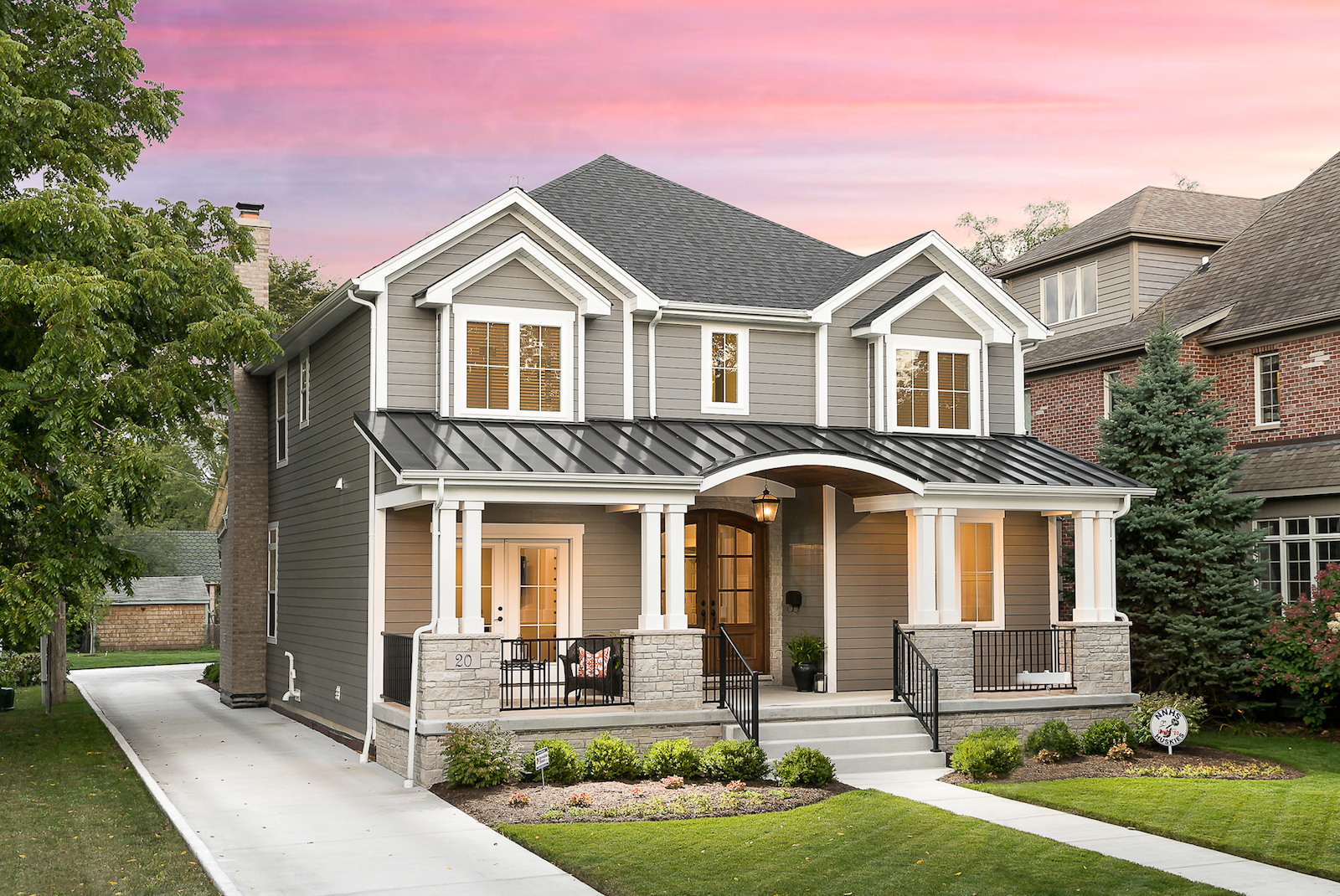
In a world where personal expression takes center stage, luxury custom homes stand as the pinnacle of bespoke living. These remarkable creations go beyond traditional design and construction; they embody the unique visions and lifestyles of their owners. Each home is a testament to craftsmanship, allowing homeowners to curate every detail, from architectural style and materials to finishes and landscaping. With the rise of custom construction, individuals can transform their dreams into reality, crafting a sanctuary that reflects their aspirations and tastes.

The process of building a luxury custom home is as exhilarating as it is intricate, merging artistic vision with meticulous planning and execution. Collaborating with renowned architects, interior designers, and builders, homeowners embark on a journey that culminates in a one-of-a-kind masterpiece. As sustainability and innovative technology continue to shape the industry, luxury custom homes are not only exquisite in design but also environmentally conscious and energy-efficient. This article explores the essence of luxury custom living, highlighting the latest trends, inspiring designs, and the enduring appeal of creating a home tailored to one’s every desire.

Architectural Innovation and Personalization

In the realm of luxury custom homes, architectural innovation plays a pivotal role in shaping the identity of each residence. Homeowners are encouraged to collaborate closely with architects and designers to explore cutting-edge concepts that not only cater to their personal tastes but also embrace functionality and modern living. Unique floor plans, sustainable materials, and energy-efficient systems are at the forefront of these designs, allowing homeowners to enjoy both elegance and convenience. A prime example of this trend can be seen in the growing interest in luxury custom homes Seattle, where the blend of urban sophistication and natural beauty creates stunning architectural opportunities.

Eco-Friendly Living and Technology Integration

As luxury custom homes evolve, the integration of eco-friendly features and smart technology is becoming a standard expectation rather than an exception. Homeowners prioritize sustainability by incorporating elements like solar panels, smart irrigation systems, and high-efficiency appliances into their designs. This commitment not only reduces the environmental footprint but also enhances the overall living experience by promoting energy savings and ease of use. The harmonious fusion of style and sustainability ensures that these modern masterpieces stand the test of time, aligning with both today’s environmental goals and the homeowners’ desires for a luxurious lifestyle.
luxury custom homes Seattle

Schenkar Construction LLC

1752 NW Market St # 520, Seattle, WA 98107, United States

(888) 472-9461

In conclusion, the allure of luxury custom homes lies in their ability to merge personal expression with cutting-edge innovation, creating bespoke environments that are as functional as they are stunning. The meticulous process of tailoring every aspect of a home—from floor plans and materials to eco-friendly technologies and smart home systems—offers homeowners the ultimate freedom to craft a living space that resonates with their individuality and values. As the demand for these unique residences continues to grow, so too does the commitment to integrating sustainability and advanced technologies, ensuring that luxury custom homes not only exemplify exquisite design but also contribute positively to the world around us. Ultimately, these homes serve as more than just living spaces; they become cherished sanctuaries that reflect the dreams and aspirations of those who inhabit them.

RELATED ARTICLES

Ultimate Guide To Luxury Custom Homes

In a world where personal expression takes center stage, luxury custom homes stand as the pinnacle of bespoke living. These remarkable creations go beyond traditional design and construction; they embody the unique visions and lifestyles of their owners. Each home is a testament to craftsmanship, allowing homeowners to curate every detail, from architectural style and materials to finishes and landscaping. With the rise of custom construction, individuals can transform their dreams into reality, crafting a sanctuary that reflects their aspirations and tastes. The process of building a luxury custom home is as exhilarating as it is intricate, merging artistic vision with meticulous planning and execution. Collaborating with renowned architects, interior designers, and builders, homeowners embark on a journey that culminates in a one-of-a-kind masterpiece. As sustainability and innovative technology continue to shape the industry, luxury custom homes are not only exquisite in design but also environmentally conscious and energy-efficient. This article explores the essence of luxury custom living, highlighting the latest trends, inspiring designs, and the enduring appeal of creating a home tailored to one’s every desire. Architectural Innovation and Personalization In the realm of luxury custom homes, architectural innovation plays a pivotal role in shaping the identity of each residence. Homeowners are encouraged to collaborate closely with architects and designers to explore cutting-edge concepts that not only cater to their personal tastes but also embrace functionality and modern living. Unique floor plans, sustainable materials, and energy-efficient systems are at the forefront of these designs, allowing homeowners to enjoy both elegance and convenience. A prime example of this trend can be seen in the growing interest in luxury custom homes Seattle, where the blend of urban sophistication and natural beauty creates stunning architectural opportunities. Eco-Friendly Living and Technology Integration As luxury custom homes evolve, the integration of eco-friendly features and smart technology is becoming a standard expectation rather than an exception. Homeowners prioritize sustainability by incorporating elements like solar panels, smart irrigation systems, and high-efficiency appliances into their designs. This commitment not only reduces the environmental footprint but also enhances the overall living experience by promoting energy savings and ease of use. The harmonious fusion of style and sustainability ensures that these modern masterpieces stand the test of time, aligning with both today’s environmental goals and the homeowners’ desires for a luxurious lifestyle.luxury custom homes Seattle Schenkar Construction LLC 1752 NW Market St # 520, Seattle, WA 98107, United States (888) 472-9461 In conclusion, the allure of luxury custom homes lies in their ability to merge personal expression with cutting-edge innovation, creating bespoke environments that are as functional as they are stunning. The meticulous process of tailoring every aspect of a home—from floor plans and materials to eco-friendly technologies and smart home systems—offers homeowners the ultimate freedom to craft a living space that resonates with their individuality and values. As the demand for these unique residences continues to grow, so too does the commitment to integrating sustainability and advanced technologies, ensuring that luxury custom homes not only exemplify exquisite design but also contribute positively to the world around us. Ultimately, these homes serve as more than just living spaces; they become cherished sanctuaries that reflect the dreams and aspirations of those who inhabit them. Catherine KerrView all posts by Catherine Kerr

Ultimate Guide To Hungarian Company Types

Hungary’s business landscape is diverse, featuring a variety of company types that cater to different entrepreneurial needs and goals. Understanding these structures is crucial for both local entrepreneurs and foreign investors looking to establish a presence in this vibrant market. From sole proprietorships to more complex forms such as limited liability companies (Kft.) and public limited companies (Nyrt.), each type offers distinct advantages and regulatory requirements. This article aims to provide a comprehensive overview of the primary company types in Hungary, highlighting essential characteristics, benefits, and strategic considerations. As the Hungarian economy continues to evolve, the choice of company form can significantly impact business operations, taxation, and liability. Whether you are a startup founder or an experienced business owner, knowing the nuances of each company type is vital for making informed decisions. This exploration into the various company structures in Hungary will help entrepreneurs navigate the regulatory landscape and leverage the appropriate framework to support their business ventures effectively. Types of Company Structures in Hungary In Hungary, the primary types of company structures include sole proprietorships, limited liability companies (Kft.), public limited companies (Nyrt.), and partnerships. Sole proprietorships are often favored for their simplicity and ease of establishment, making them an attractive option for individual entrepreneurs. On the other hand, Kft. provides limited liability protection, which is essential for reducing personal risk, while Nyrt. caters to larger enterprises seeking to raise capital through public investments. Understanding these various forms is crucial for aligning business objectives with the most suitable legal structure, ensuring compliance with local regulations. For anyone looking to delve deeper into the differences and benefits among these structures, a thorough exploration of Hungarian company types can shed light on the strategic choices available. Regulatory Considerations and Benefits Each company type in Hungary comes with its own set of regulatory implications, tax obligations, and operational requirements. For instance, while establishing a Kft. involves a minimum share capital requirement and formal registration process, it offers the advantage of shielding owners from personal liability beyond their initial investment. Conversely, partnerships, although less common for larger ventures, allow for flexibility in profit-sharing and management. Entrepreneurs must carefully assess their long-term goals, risk tolerance, and the legal framework surrounding each entity type to make informed decisions that will support their business growth in Hungary’s competitive market. In conclusion, the choice of company structure in Hungary is a critical decision that can shape the future of a business. Entrepreneurs must weigh the advantages and disadvantages of each type—be it a sole proprietorship, limited liability company, public limited company, or partnership—against their specific needs, growth aspirations, and risk management strategies. With a thorough understanding of the regulatory requirements and benefits associated with each structure, business owners can position themselves to optimize opportunities and navigate challenges effectively in Hungary’s dynamic economic environment. By aligning their business strategies with the appropriate company type, they not only enhance their chances for success but also ensure compliance with local laws and regulations, which is essential for sustainable growth in this vibrant market. Catherine KerrView all posts by Catherine Kerr

How To Form Your Hungarian Llc: Step-By-Step Guide

Establishing a Limited Liability Company (LLC) in Hungary presents an attractive opportunity for both local entrepreneurs and international investors looking to tap into the vibrant Central European market. With its strategic location, skilled workforce, and favorable economic conditions, Hungary has become a hub for business creation and foreign investment. In this article, we will explore the essential steps involved in forming an LLC in Hungary, highlighting the legal requirements, benefits, and considerations that aspiring business owners should keep in mind. From understanding the necessary documents and registration processes to navigating tax implications and compliance regulations, this guide will provide you with the valuable insights needed to successfully launch your LLC in Hungary. Whether you are starting a new venture or expanding an existing business, understanding the nuances of Hungarian company law is crucial for ensuring a smooth and efficient formation process. Join us as we delve into the essential elements of creating a successful LLC in this dynamic country. Legal Requirements for Establishing an LLC To form a Limited Liability Company in Hungary, entrepreneurs must adhere to specific legal requirements that govern business registration. The initial step involves drafting the company’s articles of association, which outlines the nature of the business, the registered address, and the rights and obligations of members. Additionally, at least one founder must be identified, as well as a registered office within Hungary. Following this, the company must be registered with the Hungarian Court of Registration, which requires the submission of various documents, including identification of the founders and a bank certificate confirming the initial capital deposit. Engaging a professional service can facilitate the Hungarian LLC formation and streamline the paperwork involved. Tax Implications and Compliance Regulations Navigating the tax landscape and compliance regulations is crucial for LLCs operating in Hungary. Businesses are subject to corporate income tax, which is among the lowest in Europe, making it an attractive option for entrepreneurs. Additionally, companies are required to comply with obligations such as Value Added Tax (VAT), payroll taxes for employees, and various reporting requirements. Understanding these elements is vital for maintaining compliance and avoiding costly penalties. Furthermore, it’s advisable for business owners to consult with local tax experts who can provide tailored advice, ensuring a solid foundation for success in the competitive Hungarian market. In conclusion, forming a Limited Liability Company in Hungary is a multifaceted process that, while navigating legal requirements and tax implications, offers substantial benefits for both domestic and international entrepreneurs. With Hungary’s supportive business environment, characterized by a strategic geographical position and a favorable tax regime, business owners can capitalize on the opportunities presented by the local market. By ensuring compliance with the necessary regulations and seeking expert guidance when needed, aspiring LLC founders can set their ventures on a path to sustainable growth and success. As the Hungarian economy continues to evolve, those who take proactive steps in establishing their LLC will be well-equipped to thrive in this dynamic landscape. Catherine KerrView all posts by Catherine Kerr

Easy Communication Training: Boost Your Skills Today!

Effective communication is a cornerstone of successful personal and professional interactions. In an age where collaboration and teamwork are paramount, the ability to convey ideas clearly and understand others is more important than ever. This article delves into the essentials of communication training, exploring its benefits, methodologies, and the profound impact it can have on enhancing relationships and achieving common goals. As organizations increasingly recognize the value of strong communication skills, investing in training programs has become a priority. From improving employee engagement to fostering innovation, effective communication training equips individuals with the tools they need to express themselves clearly and listen actively. By prioritizing these skills, individuals and teams can create a culture of openness and understanding, ultimately driving success in their respective fields. Benefits of Communication Training Effective communication training offers a multitude of benefits that extend beyond mere expression. It helps individuals develop critical listening skills, which are essential for understanding diverse perspectives and fostering collaboration. When participants engage in interactive methods such as role-playing and group discussions, they not only practice articulating their thoughts, but also enhance their ability to respond to others empathetically. This holistic approach ensures that everyone is on the same page and promotes a culture of respect and cooperation. Organizations that prioritize such training, like those that offer Effectief communiceren training so those you can do double work, often see improved morale and productivity among their teams. Methodologies for Effective Training There are various approaches to communication training, each designed to cater to different learning styles and organizational needs. Workshops that utilize experiential learning techniques can immerse participants in real-life scenarios, enhancing retention and application of skills. Furthermore, incorporating feedback mechanisms allows individuals to refine their techniques continuously, fostering a culture of continuous improvement. By utilizing technology, such as virtual simulations or online courses, organizations can provide flexible, accessible options for their employees, ensuring that everyone has the opportunity to develop essential communication skills. Ultimately, the choice of methodology should align with specific goals to maximize impact and drive successful outcomes. In conclusion, effective communication training is not merely an asset but a necessity for thriving in today’s dynamic environments. By focusing on both verbal and non-verbal skills, organizations can cultivate a workforce that is adept at sharing ideas and embracing diverse perspectives. This training promotes a shared language and understanding, which can transform workplace culture and boost overall performance. As teams become more cohesive through enhanced communication, they are better equipped to tackle challenges, drive innovation, and achieve collective goals. Ultimately, investing in communication training is an investment in the future success and resilience of both individuals and organizations, creating a collaborative ecosystem where everyone can contribute to their fullest potential. Catherine KerrView all posts by Catherine Kerr

Leave a Reply

Your email address will not be published. Required fields are marked *